Building or renovating in North Vancouver comes with a lot of decisions, but homeowners do not need to have every answer before making the first call.
In fact, that is part of the reason to bring a professional general contractor into the conversation early. Before the design is locked, before the budget gets stretched, and before assumptions turn into expensive changes, the right builder can help homeowners understand what is realistic for the property, the budget, the timeline, and the approvals needed.
On the North Shore, that early input can make a big difference. Slopes, drainage, access, older homes, municipal requirements, and permitting can all affect how a project should be planned. The sooner those pieces are understood, the easier it is to make good decisions.
A successful home renovation or custom home usually starts with clear goals, honest budget conversations, the right team at the table, and a practical understanding of what the property may require.
Here are a few things to know before building or renovating in North Vancouver.
Before the Build, There’s the Planning 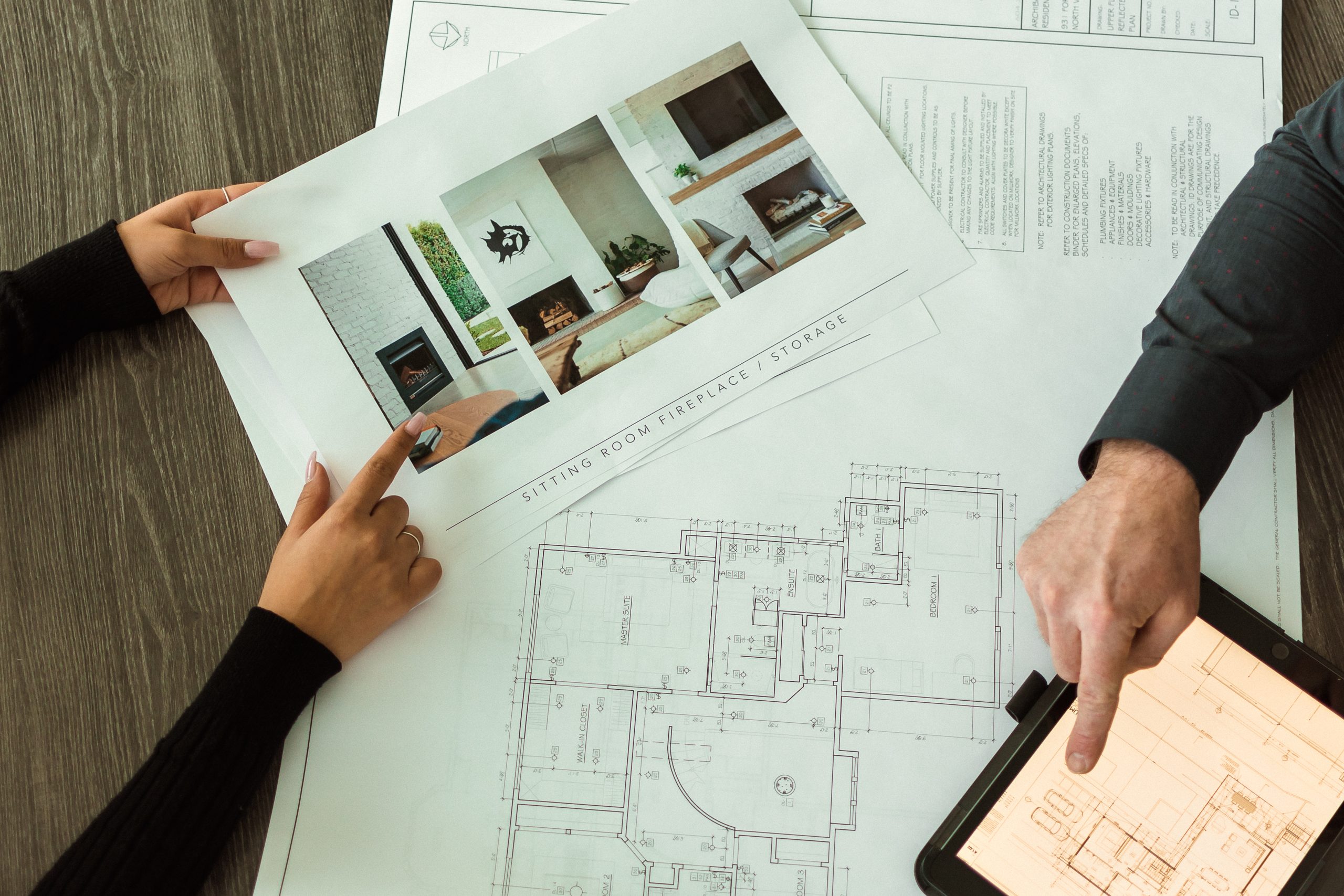
Renderings, finishes, and inspiration photos are all part of the fun. They help bring the project to life and give everyone a sense of direction.
But before getting too attached to what the home should look like, it is worth getting clear on what the project needs to do.
For some homeowners, that means creating more space for a growing family. For others, it may mean improving the layout, planning for aging in place, making room for multigenerational living, or building a custom home that fits the way they live now instead of working around a house designed for another era.
A renovation or custom build is not only a visual upgrade. It affects how the home functions, how the budget is prioritized, which consultants may need to be involved, and what kind of construction approach makes sense. The clearer the purpose, the easier it is to make good decisions later.
Talk About Budget Earlier Than Feels Comfortable
Budget can be an awkward conversation. We get it.
Homeowners sometimes worry that sharing their budget means the contractor will simply find a way to spend it. But in a well-run project, budget is one of the most useful planning tools.
Without a clear budget, the team is guessing. It becomes harder to give practical direction on scope, priorities, materials, schedule, and feasibility. Talking about budget early helps everyone understand what is realistic before the design goes too far.
It can also help homeowners make better decisions about where the money should go. Some choices affect the look of the home. Others affect comfort, performance, structure, servicing, or long-term value. Knowing the budget early helps the team talk through those trade-offs before they become expensive changes later.
Budget does not need to be perfect from day one. But it does need to be part of the conversation.
Understand What the Property Is Bringing to the Table
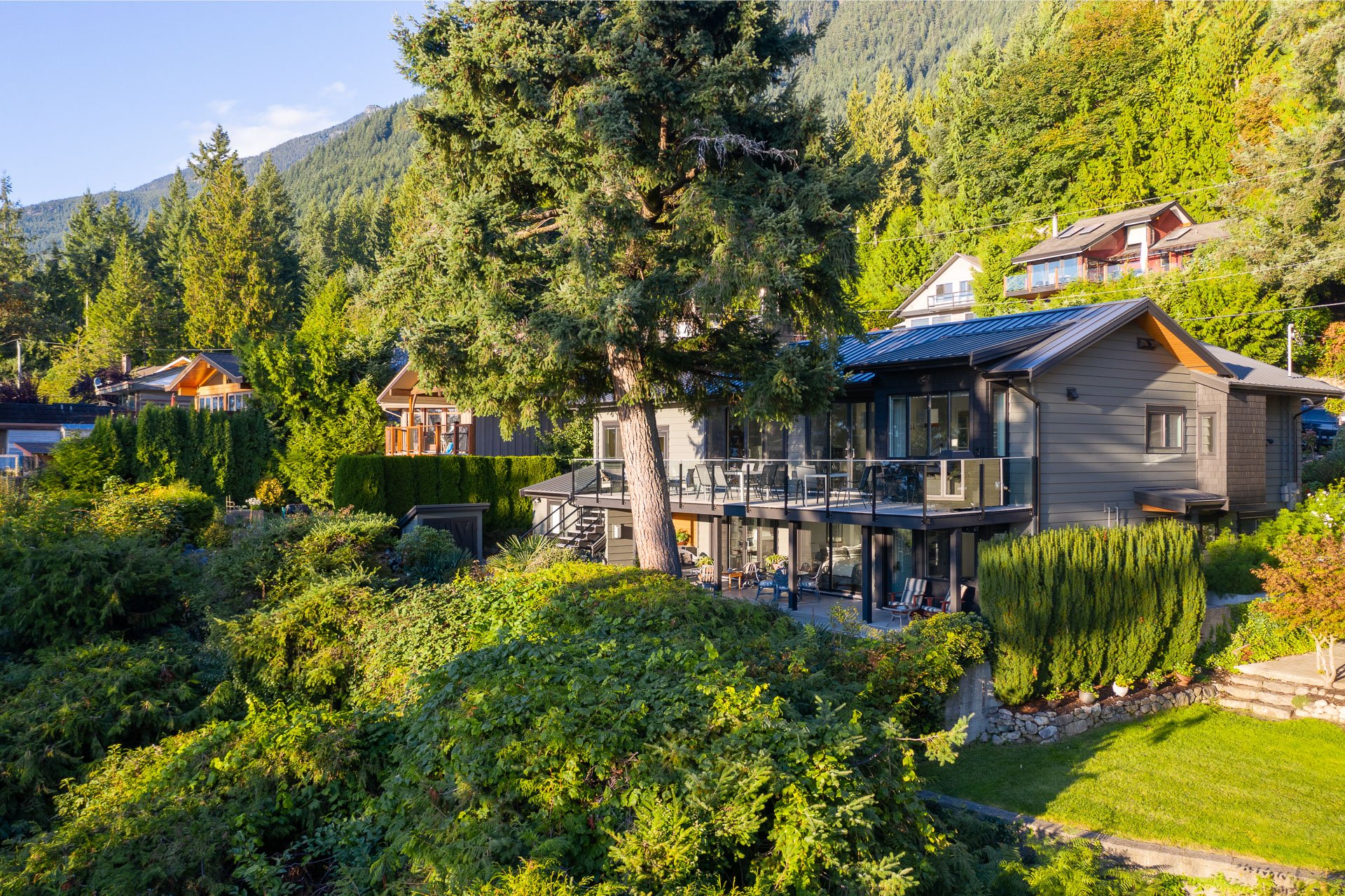
In North Vancouver, the land has a say, too.
The house is one part of the project. The property, neighbourhood, municipality, access, infrastructure, and site conditions are another. Two homes can look similar on paper, but the construction realities can be completely different depending on where they are built.
On the North Shore, feasibility and cost can be affected by:
- Slope
- Drainage and stormwater management
- Geotechnical considerations
- Site access
- Municipal infrastructure
- Development permit areas, including wildfire and streamside considerations
- Existing structure and servicing
- Energy-efficiency and performance requirements
These may not be the first things homeowners are excited to talk about, but they can have a real impact on scope, schedule, and budget.
Homeowners do not need to have all of this figured out before the first conversation. A good contractor can help identify which site conditions need attention, which consultants may be required, and how those factors could affect the project before plans go too far.
Know That Permits and Requirements Are Part of the Timeline
For most substantial renovations and custom homes, permits need to be part of the planning conversation. Structural changes, additions, layout updates, plumbing, electrical, mechanical work, and service upgrades can all affect what approvals are needed.
They can also affect when construction can realistically begin. Municipal reviews, documentation, consultant input, and even energy-efficiency or carbon requirements may all need to be worked through first, including BC Energy and Zero Carbon Step Code considerations where applicable.
Working with a contractor early can help homeowners understand what approvals may be needed, what information needs to be gathered, and how permitting fits into the overall project timeline to keep everything running smoothly.
Bring the Right Team In Before the Design Is Locked
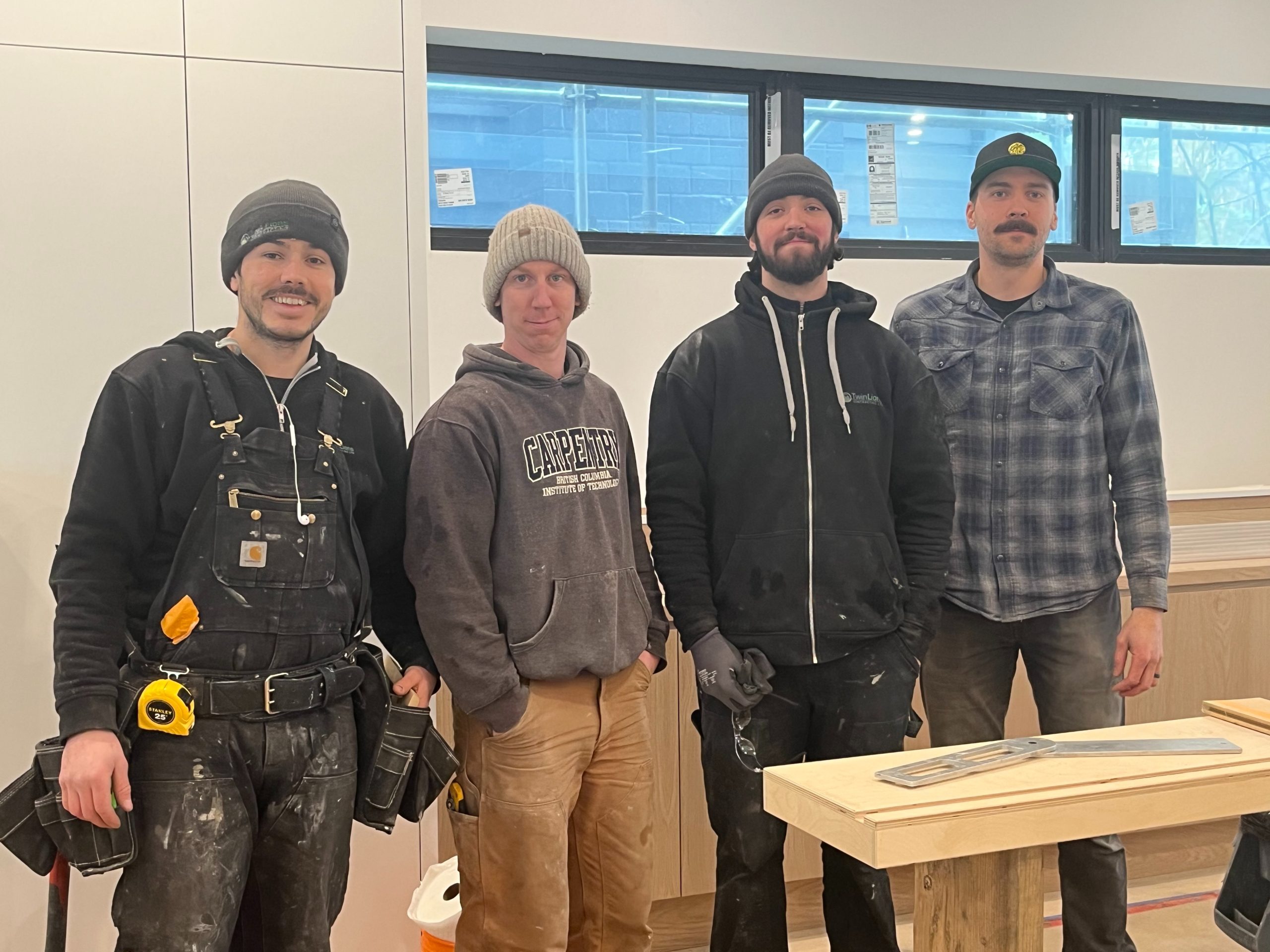
Homeowners often think the design needs to be finished before a builder gets involved. For major renovations and custom homes, it usually helps to bring the builder in earlier.
That does not replace the need for a designer, architect, or consultant. It gets the right people in the room early enough to shape the project properly.
A good builder can help pressure-test the plan against the budget, the property, the permit requirements, and the realities of construction. That early input can save a lot of time, redesign, and frustration later.
Early collaboration can help align:
- Design goals
- Budget expectations
- Site conditions
- Permitting requirements
- Constructability
- Schedule
- Consultant needs
- Long-term priorities
When everyone is working from the same information, ideas can be tested earlier and trade-offs can be discussed before decisions are too far along.
Expect a Process, Not Just a Start Date
It’s easy to focus on when construction will start, but a well-run project begins before anyone shows up on site.
There should be a clear path for discovery, feasibility, budgeting, design coordination, permitting, scheduling, documentation, and decision-making.
Major renovations and custom homes have a lot of moving parts. Clear communication and planning help everyone understand what needs to happen, when decisions are required, and how the project is moving forward.
Construction will always involve some disruption. But a clear process makes it easier to manage and gives the project more than just a date circled on the calendar.
Make Smart Decisions While They Are Still Easy
Planning for the future is much easier when the project is still open and flexible. That might mean thinking ahead about servicing, infrastructure, layout flexibility, future laneway potential, or behind-the-scenes details like a larger waterline or conduit in the yard.
Not every home needs the same upgrades. The point is to look beyond the immediate project and make smart decisions while they are still simple enough to act on.
Start With Clarity, Then Build
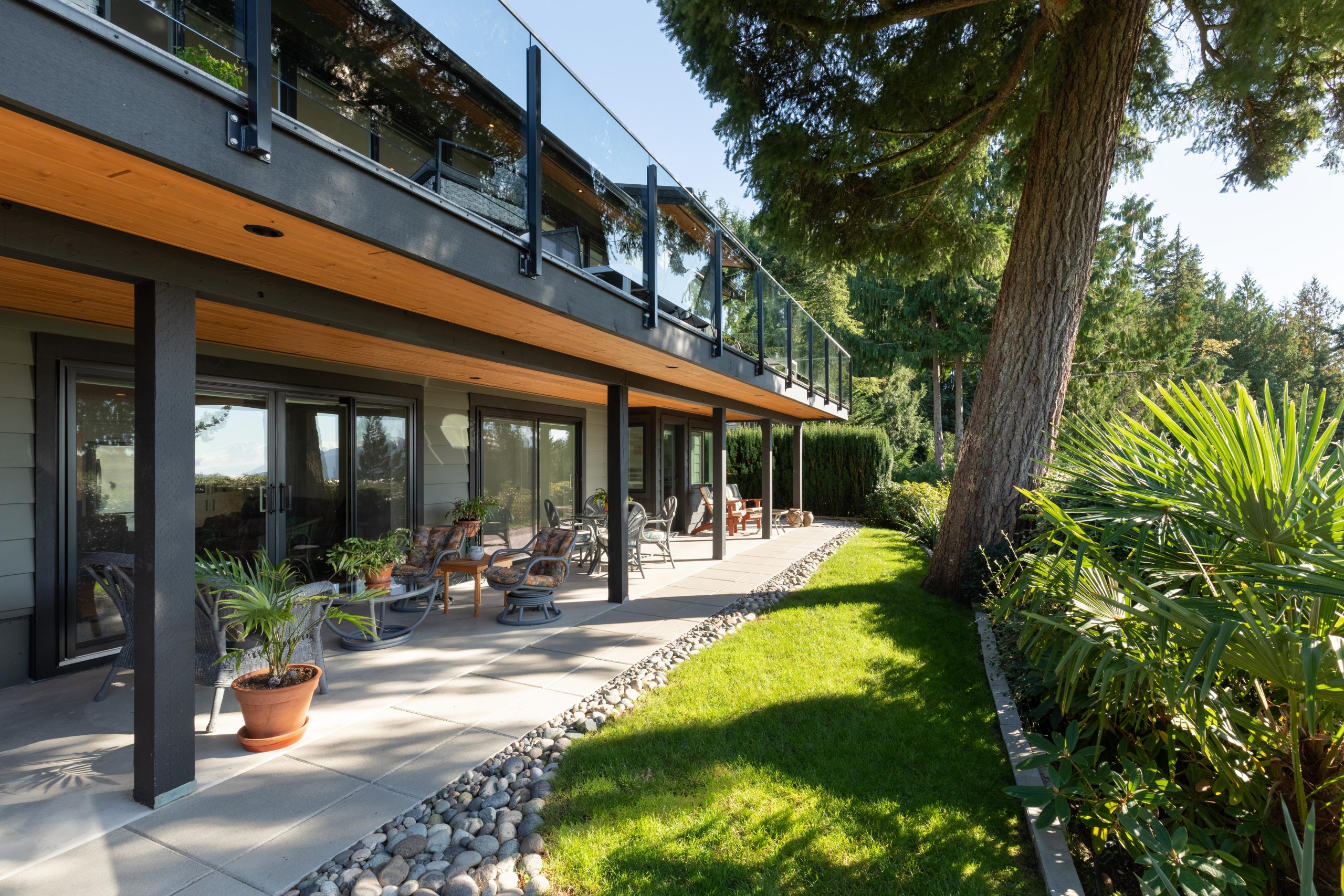
Before construction starts, the big pieces need to be understood: what the project is meant to achieve, what the budget can support, what the property allows, and who needs to be involved.
You do not need every answer before talking to a contractor. But the earlier those questions are on the table, the easier it is to shape a project that makes sense.
Thinking about building or renovating in North Vancouver? Let’s talk.
Helpful Resources
Building or renovating in the City of North Vancouver
- City of North Vancouver. Building Permits.
- City of North Vancouver. Residential Renovation and Additions (Non-Strata).
- City of North Vancouver. New Single-Family and Two-Family Dwellings.
- City of North Vancouver. Development Permits and Land Use Approvals.
- City of North Vancouver. Stormwater Management Requirements for New Development.
- City of North Vancouver. Slope Stability.
- City of North Vancouver. BC Energy Step Code for New Buildings.
Building or renovating in the District of North Vancouver
- District of North Vancouver. Permits and Inspections: Building and Renovating.
- District of North Vancouver. Building Permit (Single-Family Home).
- District of North Vancouver. All Permits and Licences.
- District of North Vancouver. Slope Hazard Development Permit Area.
- District of North Vancouver. Energy, Water, and Greenhouse Gas Development Permit Area.
Provincial standards (apply in both municipalities)
- Province of British Columbia. BC Building Code 2024.
- Province of British Columbia. BC Energy and Zero Carbon Step Codes.
- Province of British Columbia. BC Energy Step Code.
Let’s Talk About Your Project
