

What Should Homeowners Prepare Before Construction Starts?
The week before construction starts is when a renovation suddenly feels very real.
You’ve spent months talking about plans, budgets, permits, and finishes. Now you might be thinking about things like dumpster drop-offs, people coming in and out of the house, rooms you can no longer use, and a lot more noise than you are used to.
A little preparation goes a long way here.
If you are getting ready for a renovation in North Vancouver, your builder should help you understand what needs to happen before the first day on site. You shouldn’t be left guessing about access, belongings, pets, parking, or whether you are supposed to have emptied the entire house by Monday morning.
Here are the main things worth sorting out well before construction begins.
Decide Whether You Will Stay in the Home
For some renovations, living at home during construction is perfectly manageable. For others, it makes much more sense to move out temporarily.
That decision depends on the scope of work, how much of the home will be affected, and whether essential spaces like the kitchen, bathrooms, bedrooms, heating, or electrical service will remain usable.
Ask your builder what day-to-day life will realistically look like during the project. Questions like this can be helpful:
- Will there be running water every evening?
- Will you still have access to a bathroom or the kitchen?
- How much dust and noise should you expect?
- Are there periods when power or other services may be shut off?
If you are staying, it can help to establish one part of the house as a construction-free zone that your family can retreat to at the end of the day.
If you are moving out, confirm when you actually need to leave and when it is realistic to plan on returning. Construction schedules can shift, so avoid making temporary accommodation arrangements that leave you without any flexibility.
Clear Out the Areas Under Construction 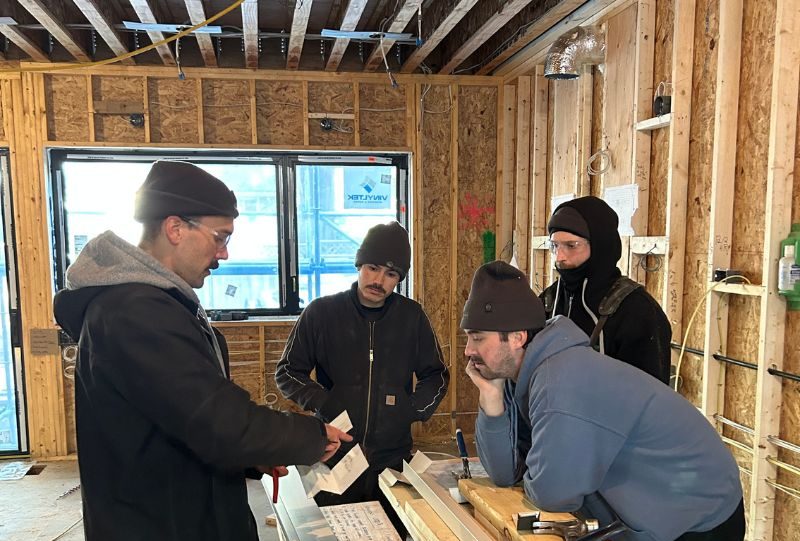
Your builder should tell you exactly which rooms, closets, storage areas, or exterior spaces need to be emptied before work begins.
Do not assume that moving everything to the opposite side of the room will be enough.
Construction creates dust, vibration, and a surprising amount of movement through the house. Remove furniture, artwork, electronics, valuables, and anything fragile from the work zone. For larger renovations, you may also want to move belongings out of adjoining areas.
Ask where the boundary of the construction zone will be and what protection the contractor will install.
The goal is to give the team room to work safely while protecting the parts of the home that are staying put.
Consider the Things You Need Every Day
If the renovation affects your kitchen, bathroom, laundry room, entryway, or home office, think through what you will use instead.
A temporary kitchen might be as simple as a coffee maker, microwave, mini fridge, and a table somewhere outside the work area. If laundry will be unavailable, it’s way better to know that in advance rather than encountering it as an unpleasant surprise.
Also think about medication, work equipment, important documents, clothing, and other things you may need regularly. Anything you expect to use during construction should be somewhere accessible, not sealed inside a box behind six other boxes in the garage.
Talk Through Site Access, Parking, and Storage
Your home is about to become a workplace.
Before construction starts, your builder should have a plan for how crews, deliveries, materials, waste bins, and equipment will move through the property.
That can be particularly important on North Vancouver properties with narrow driveways, steep sites, limited street parking, or difficult access.
Ask:
- Which entrance will the team use?
- Where will materials be stored?
- Will part of the driveway need to remain clear?
- Where will bins or equipment be placed?
- Are there parking restrictions to consider?
- Will any landscaping or exterior areas need to be protected?
These details may seem small compared with the design itself, but they can have a big impact once several people are arriving on site every morning.
Make a Plan for Kids and Pets 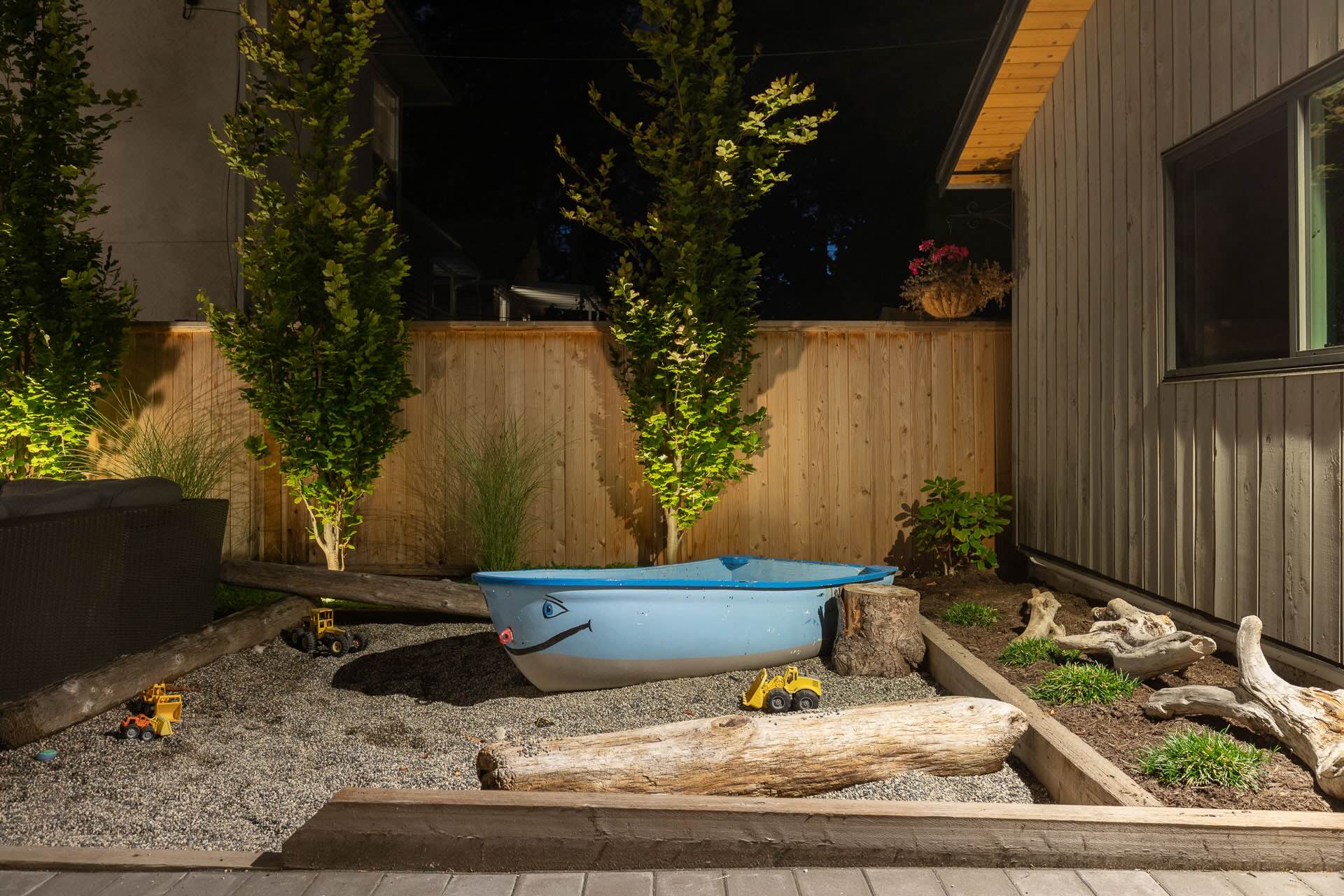
Construction sites are not great places for curious toddlers or dogs who believe that every new person has arrived specifically to see them.
Talk to your builder about which areas will be off-limits and how the construction zone will be separated from the rest of the home.
If your pet is sensitive to noise, unfamiliar people, or open doors and gates, you may need a different arrangement during certain phases of the work.
The same goes for children. If you will be living at home, make sure everyone understands which entrances and areas are safe to use and where tools or materials may be stored.
Give the Neighbours a Heads-Up
For a major renovation, it is usually worth letting nearby neighbours know that construction is about to begin.
You do not need to give them the full project schedule, but a quick conversation about the expected start date, general scope, and anticipated duration can go a long way.
If there will be unusual deliveries, temporary parking impacts, or particularly noisy phases, advance notice is even more helpful.
Your builder should also be managing the site in a way that respects the surrounding neighbourhood, including permitted work hours, parking, cleanliness, and access.
Confirm Any Decisions That Could Hold Up the Work
You do not need every finish selected before construction begins, but your builder and design team should tell you which decisions are time-sensitive. Items with long lead times or an impact on other work may need to be confirmed well before they are installed.
That could include:
- Appliances
- Windows and doors
- Plumbing fixtures
- Lighting
- Flooring
- Tile
- Custom cabinetry or millwork
- Specialty materials
You don’t need to know the whole construction sequence yourself; a good project team will give you enough notice to make decisions so that they don’t affect the schedule.
Know What the First Few Weeks Will Look Like
Before the start date, ask your builder to walk you through what happens first.
The early stages of a renovation can sometimes look like the opposite of progress. Walls come down. Materials leave the house. Problems that were previously hidden become visible. Knowing what to expect can make that phase much less unnerving.
Ask who will be on site, how updates will be shared, when regular meetings begin, and when the first decisions or milestones are likely to come up.
Preparing for Construction in North Vancouver?
If you are planning a major renovation in North Vancouver, we would be happy to learn more about your project and help you understand what needs to happen before construction begins.
Helpful Resources
- Canadian Home Builders’ Association: Before Starting a Renovation
- Canadian Home Builders’ Association: The Renovation Process
- WorkSafeBC: Hiring Someone to Work in Your Home
- City of North Vancouver: General Building Permit Information
- District of North Vancouver: Good Neighbour Program
