

How Do You Choose the Right Builder for a Renovation or Custom Home in North Vancouver?
A renovation often starts with a simple idea or two.
Maybe you need another bedroom, or the kitchen feels cramped and awkward. Perhaps you want easier access to the backyard.
You have a folder full of inspiration photos, a rough budget in mind, and a growing list of things you would change if you were going to do this properly.
The tricky part? Turning all of that into a real project with designs, prices, permits, and a construction schedule.
If you’re planning a home renovation in North Vancouver, there are a few big considerations worth working through early. You do not need every answer before you speak with a builder, but getting the right people involved while the project is still flexible can save a lot of backtracking later.
1. Start With What You Want to Improve 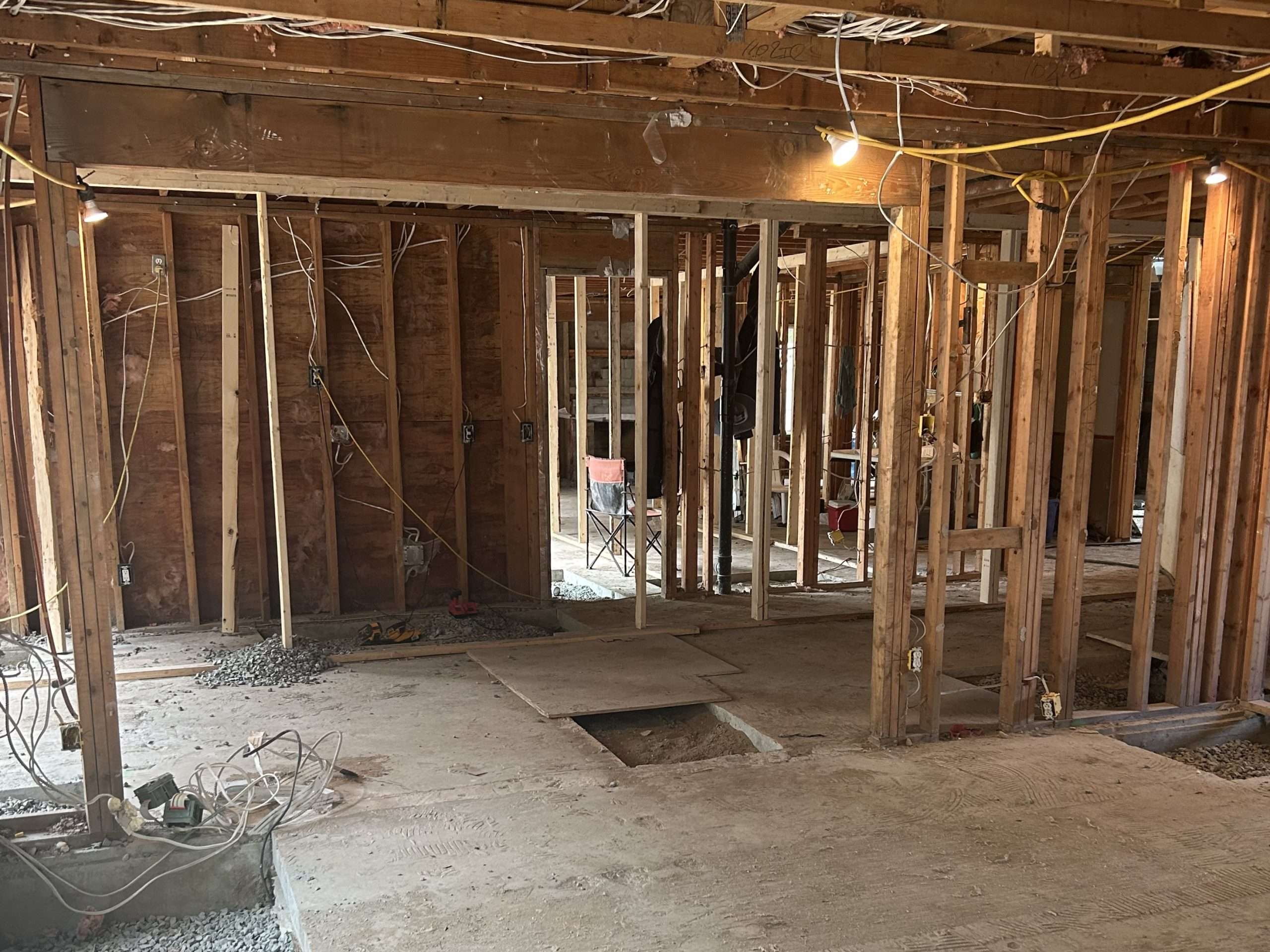
Before getting too deep into finishes or floor plans, get clear on what is actually driving the project in the first place.
Maybe your family has outgrown the existing layout. Perhaps you want to stay in the neighbourhood long-term and need the house to work better as your needs change. You may be trying to improve energy performance, create space for aging parents, or replace an older home with something designed around your lifestyle.
Make a list of your priorities and separate them into:
- Things the project needs to solve
- Things you would really like to include
- Things that would be nice if the budget allows
This is a helpful framework for making decisions and helping to distinguish between needs and wants as you go along. That way, when the design, budget, or site conditions inevitably introduce a trade-off, you have something more meaningful to come back to than whether you liked a particular photo on Pinterest.
2. Start Talking About Budget Early On
It can be tempting to dream up the dream first and find out what it costs later. But for a major renovation or custom build, that can create a lot of unnecessary redesign if it turns out it’s not feasible from a budget perspective.
Talking about budget early allows your designer and builder to test ideas against real constraints. Is the proposed scope reasonable? Where is the money doing the most work? Are there parts of the project that should be simplified so you can maintain the things that matter more to you?
Your first budget does not have to be perfect. In the early stages, there will still be decisions to make and conditions that need to be investigated. But everyone should understand the general financial boundaries they are working within.
It is much easier to adjust an idea while it is still a sketch than after you have paid to develop it in detail.
3. Bring the Right People in While the Plan Is Still Flexible
If you have never done a major renovation before, you probably do not know whether you need an architect, interior designer, structural engineer, energy advisor, geotechnical engineer, or some combination of them. And don’t worry – you don’t have to.
A good place to start is by consulting an experienced builder, designer, or architect who can look at the scope of the project and help identify which expertise will be needed. The right team will depend on what you are changing, the condition of the existing home, the property itself, and any municipal requirements that might apply.
For example:
- Structural changes will require an engineer.
- A steep or challenging site will require geotechnical input.
- Energy-performance goals or municipal requirements may bring an energy advisor into the project.
- A substantial redesign may call for an architect or residential designer.
- Trees, drainage, landscaping, or environmental conditions may require additional specialists.
You may not need all of these experts, and you certainly do not need to hire everyone on day one. What matters is identifying the expertise you will need before you make decisions that depend on it.
This is also why it can help to involve the builder while the design is still taking shape. They can flag construction, access, budget, or sequencing considerations while there is still room to adjust the plan.
4. Understand the Property Before You Design Around It 
On the North Shore, the property itself can majorly shape the project.
Slope, drainage, site access, existing services, trees, the condition of the current home, and municipal requirements can all affect what is possible and how to approach the work.
While not every North Vancouver project will be unusually complicated, there is value in identifying the conditions that matter to your particular property early. This includes the structure of the home itself.
Older homes do not always match the drawings, and there are limits to what anyone can know before walls are opened up. But reviewing the structure, servicing, mechanical systems, electrical capacity, and other existing conditions can help the team identify obvious risks before the design moves too far ahead.
You are unlikely to eliminate every surprise, but the goal is to avoid the ones you reasonably could have seen coming.
5. Find Out What Approvals the Project May Need
Permitting should be part of the plan, not something you think about once the drawings are finished.
The necessary approvals will depend on the property and the scope of work. The City of North Vancouver and District of North Vancouver have their own separate processes, and larger or more complex projects may require additional documentation or consultant input.
You do not need to become an expert in municipal approvals yourself, but you do need to know who on the project team is responsible for identifying the requirements, preparing the application, responding to municipal comments, and keeping the process moving.
It is also worth discussing approvals early enough that the permit process can be reflected realistically in the overall schedule. Both North Vancouver municipalities provide project-specific guidance for building and renovation permits, and the District’s current building permit guide sets out the application and inspection process for homeowners and builders.
6. Build the Schedule Around More Than Construction
When people ask how long a renovation will take, they are often thinking about the period when the house is physically under construction. However, the full project starts earlier.
There may be time required for:
- Initial planning and feasibility
- Design development
- Consultant work
- Budgeting and pricing
- Permit preparation and municipal review
- Material selections and ordering
- Construction
- Inspections and close-out
Some of those activities can overlap, but others might depend on the previous step being completed first.
Your builder and design team should also help you understand which decisions need to be made when. Some choices, like appliances, windows, plumbing fixtures, or custom millwork, can have long lead times or affect other parts of the build. A clear schedule should flag those decisions early so you are not suddenly being asked to choose something that holds up the work in progress.
7. Make the Big Decisions in the Right Order
Renovations involve hundreds of decisions, but they do not all need your attention on day one. Good planning is partly about knowing which decisions need to be made now and which ones can wait.
There will be plenty of time to choose cabinet hardware.
Early decisions should focus on the things that shape everything else: the goals, scope, budget, team, overall layout, property constraints, and major building systems.
Once the design and approvals are moving forward, the planning becomes more practical.
Will you stay in the home during the renovation? If so, which areas will remain usable? How will the team access the site? Where will materials be stored? Are there pets, children, neighbours, parking restrictions, or work-from-home schedules that need to be considered?
Those details may feel secondary when you are discussing layouts and budgets, but they can have a major impact on your day-to-day experience once construction begins.
Planning a Renovation or Custom Home in North Vancouver?
If you are thinking about a major renovation or custom build, we would be happy to learn more about what you are planning and help you understand what the first steps might look like.
Helpful Resources
- Canadian Home Builders’ Association: Before Starting a Renovation
- City of North Vancouver: Building Permits
- District of North Vancouver: Your Building Permit Guide
