

What is the Difference Between Design-Build and General Contracting?
Design-build and general contracting are two ways to organize a renovation or custom home project.
The main difference is how the design and construction teams are hired, how they work together, and who is responsible for coordinating the project.
Neither approach is automatically better. The right one depends on how far along your plans are, who is already involved, and how you want the team to work together.
What Is General Contracting?
In a traditional general contracting model, the homeowner hires the designer or architect separately from the contractor.
The design team develops the drawings and specifications, then the general contractor prices the work, coordinates the trades and suppliers, manages the site, and builds according to the approved plans. The homeowner may have separate agreements with the designer, general contractor, engineers, and other consultants.
This structure gives the homeowner a direct relationship with both the design and construction teams. It can work very well when those teams communicate early and understand how decisions will be made.
The risk is that the contractor may be brought in after too much has already been decided: A detail that looks straightforward on paper may be expensive to build; a material choice may create scheduling problems, or a completed design may need to be revised once accurate construction pricing is introduced.
When Might General Contracting Be a Good Fit?
General contracting may suit your project if:
- You already have a designer or architect.
- The plans are substantially developed.
- You want to choose the designer and builder independently.
- Your designer has established relationships with contractors.
- You are comfortable managing separate professional agreements.
The model is particularly effective when the designer and builder have worked together before or have a clear process for reviewing the design, budget, and construction details.
What Is Design-Build?
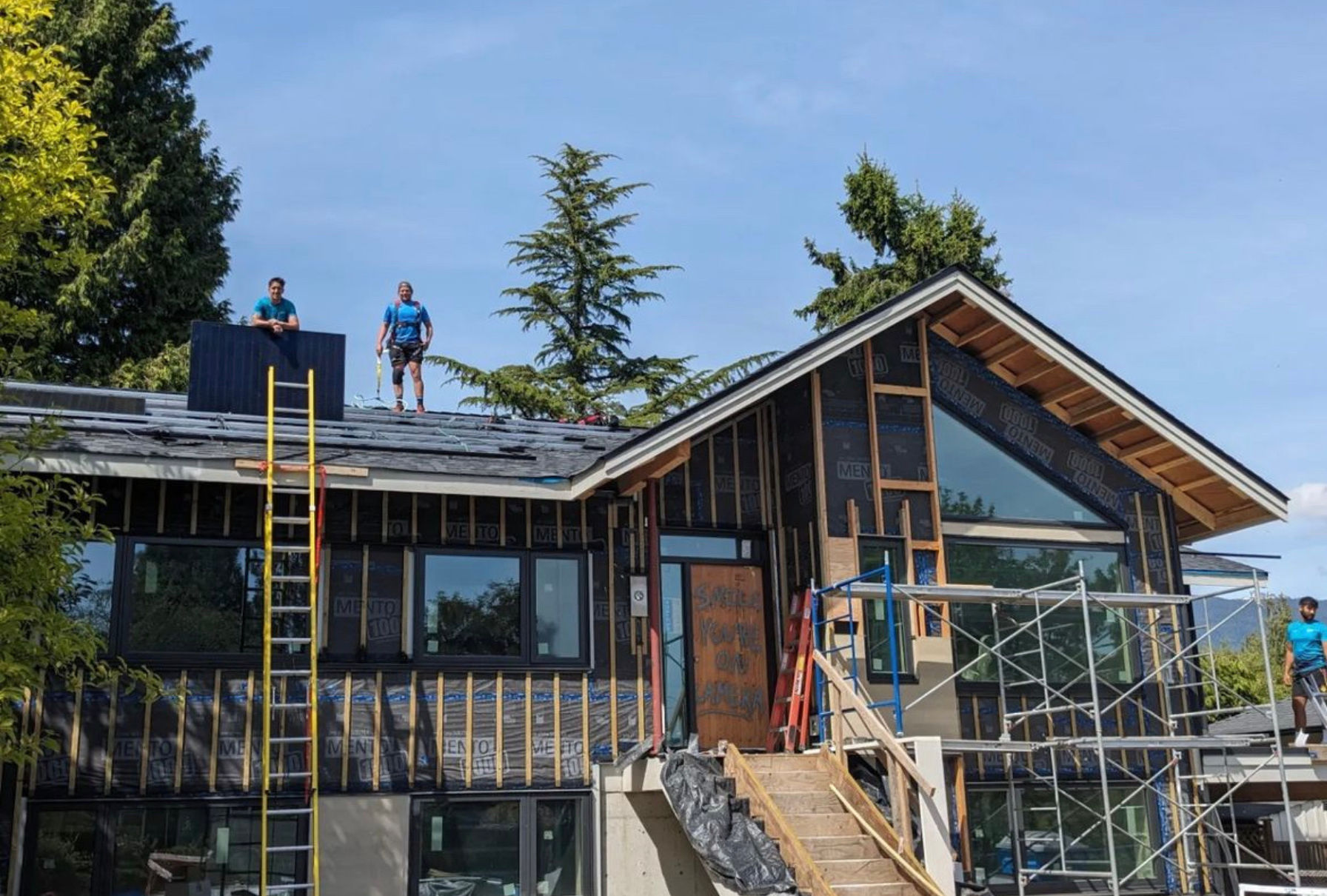
In a design-build model, one company is responsible for both the design and construction of the project.
The design-build company may have designers on staff or bring architects and consultants into the project through an established team. The homeowner typically has one primary agreement and one point of responsibility from early planning through construction.
Because design and construction develop together, the builder can provide input on budget, materials, site conditions, scheduling, and constructability while the plans are still taking shape. This can reduce the risk of completing a design that later needs to be scaled back or substantially revised once it is priced.
Homeowners should still understand who is providing the design work, how design fees are structured, and how costs will be reviewed as the plans develop. One contract does not remove the need for clear roles and transparent pricing.
When Might Design-Build Be a Good Fit?
Design-build may be worth considering if:
- You are early in the planning process.
- You want one team to coordinate the project.
- You want construction pricing considered during design.
- You prefer one primary point of responsibility.
- Your project requires early technical or site input.
For a complex renovation or custom home, involving construction expertise early can help identify issues related to structure, access, servicing, permitting, or existing conditions before they become embedded in the design.
Can a Designer and General Contractor Still Collaborate Early?
Absolutely. Choosing a general contractor does not mean that the designer needs to work alone. A contractor can join the project during design planning to review feasibility, provide preliminary pricing, comment on construction details, and identify potential risks.
This can be especially useful in North Vancouver, where slope, drainage, access, municipal requirements, and the condition of the existing home may influence the design.
Whereas the designer focuses on how the home should look, function, and feel, the contractor contributes practical knowledge about how it will be built, what it may cost, and what could affect the schedule. The strongest projects give both teams an opportunity to contribute before major decisions become difficult or expensive to change.
What Should You Ask Before Choosing an Approach?
Whether you are considering design-build or general contracting, ask:
- Who will complete the design?
- Who will hire and manage the consultants?
- When will the contractor become involved?
- How will the budget be reviewed during design?
- Who will coordinate the drawings and construction details?
- How will changes be evaluated and approved?
- Who will be my main point of contact?
- What happens if the design and budget do not align?
You should also understand which services are included, which professionals will be hired separately, and where responsibility changes hands.
Do not rely on the label of a company alone. Two companies may both describe themselves as design-build while offering very different levels of design, pricing, and project management. The same is true of general contractors. Ask each one to walk you through what the process will actually look like.
Choose the Structure That Supports the Project

Design-build offers an integrated team and one primary point of responsibility. General contracting allows you to select the designer and builder independently.
Both approaches can produce excellent work, but both can also become frustrating when roles are unclear, budget input comes too late, or the design and construction teams do not communicate.
The right structure is the one that gives your project clear responsibilities, practical budget guidance, and the right people at the table early enough to make good decisions.
Planning a Renovation or Custom Home in North Vancouver?
If you are deciding how to structure your project, we would be happy to learn more about your plans and help you understand the next steps.
Helpful Resources
- Canadian Home Builders’ Association: Everything You Need to Know Before Hiring a Contractor
- Canadian Home Builders’ Association: A One-Stop Guide to Renovation Contracts
- Canadian Home Builders’ Association: A Homeowner Guide to Renovation Contracts
- BC Housing: Registry of Licensed Residential Builders
