

Why Do Communication, Collaboration, and Team Culture Matter During a Build?
On any given day during a renovation, you might be choosing tile before breakfast, answering a question about something uncovered behind a wall at lunch, and trying to remember whether a change was approved by email, text, or in an offhand conversation.
Meanwhile, designers, trades, suppliers, and the construction team are all making decisions that affect one another. Small delays in one area can shift the entire schedule. A design change can affect the budget. A question that sits unanswered for too long can hold up three other people.
Good craftsmanship is essential, but it is only one part of a successful renovation or custom build. How clearly the team communicates, how well everyone collaborates, and how they respond when something changes will shape your experience just as much as the finished work.
All of those interactions add up. They determine whether the project feels coordinated and manageable, or whether you spend months wondering what is happening next.
Good Communication Shows You What’s Coming

Regular updates are important, but good communication is not simply a matter of sharing what’s been done week by week. You should know what is happening now, what is coming next, and when your input will be needed.
That might include:
- Materials or finishes that need to be selected
- Questions from the designer or trades
- Changes that could affect the budget
- Adjustments to the schedule
- Existing conditions uncovered during construction
- Decisions that could affect later stages of the work
Good communication also means being honest when there is not an immediate answer.
Sometimes the builder needs to open something up, speak with an engineer, confirm pricing, or investigate a condition before recommending the next step. You are better served by a thoughtful answer tomorrow than a tentative guess today.
Know How Decisions Will Be Made

A renovation or custom build involves a steady stream of decisions. Some are fun. Others involve choosing between cost, timing, appearance, and performance. All of them are easier to manage when there is a clear process.
Before construction starts, you should understand:
- Who your main point of contact will be
- How often you will meet or receive updates
- Where decisions and approvals will be recorded
- How changes will be priced
- Who can approve additional work
- How urgent questions will be handled
Without a clear system, information can end up scattered across emails, texts, phone calls, and in person conversations, which gets confusing quickly.
A documented process helps you understand what has been approved, gives the team clear direction, and keeps everyone informed when a decision affects the larger plan.
Collaboration, Not Moderation
Your project may involve a contractor, designer, architect, engineers, consultants, suppliers, and specialized trades. Each person will be looking at the project from a different angle.
Your designer may be protecting the layout, proportions, or finish details, while an engineer may be focused on structural requirements. Your builder may be thinking about sequencing, access, cost, or how a detail can actually be built.
It’s normal for those perspectives not to line up immediately. What matters is whether the team can raise concerns, share information, and work toward a solution without making you shepherd messages between people who should be speaking directly to one another. You hired a project team, not a group chat you have to moderate.
Good collaboration also does not mean that everyone needs to agree all the time; it means they can work together productively without losing sight of your priorities.
On-Site Work is a Test of Team Culture
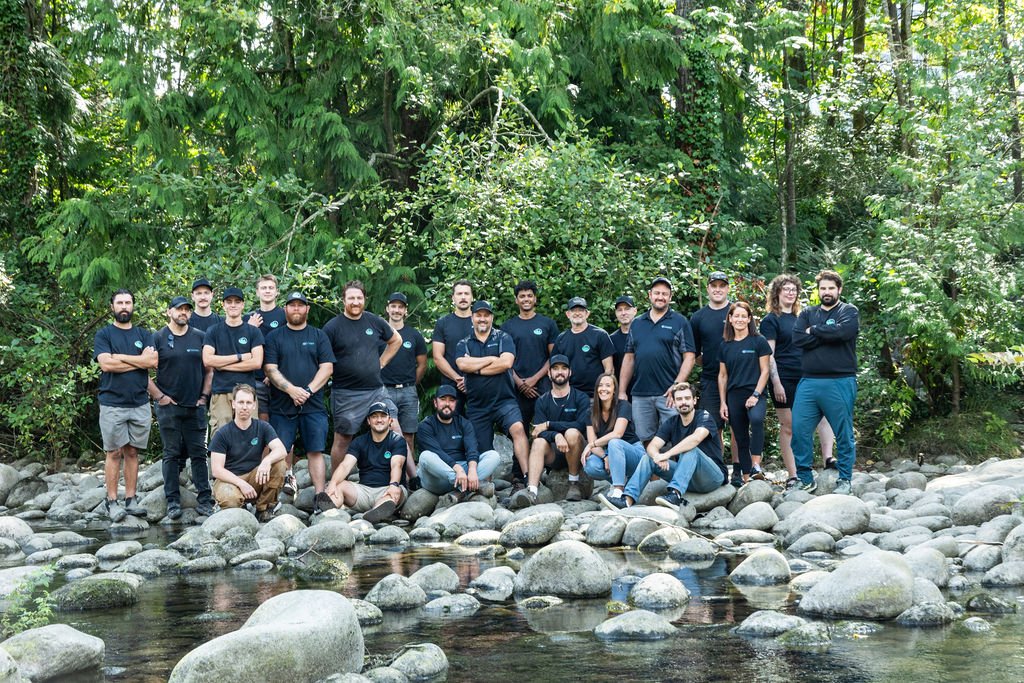
“Team culture” can sound a little corporate or abstract — until the work begins. Because the culture inside the company eventually arrives at your home, and you start to see whether people:
- Take responsibility when something needs to be corrected
- Raise concerns before they become bigger problems
- Respect the work of their fellow trades
- Help one another solve problems
- Keep commitments
- Treat your home and family with respect and consideration
At Twin Lions, we have put a lot of effort into building those behaviours into the way we work. Our core values (Proud, A Team, Resourceful, Transparent, and Fun) shape how we work with one another, our clients, and our trade partners. “A Team” means communicating and working closely across the project, while “Transparent” reflects the open and respectful relationships we aim to build with both clients and trades.
Those values also need to show up in how people are supported and recognized. We recognize employees who embody them, celebrate long service, provide professional development support, and award quarterly bonuses to the team.
We also believe that a healthy culture extends beyond our own job sites. That’s why we fundraise for and speak openly about mental health in construction, advocate for equitable pay and clearer career paths, and encourage more people to see the skilled trades as a rewarding first-choice career.
The Real Test: Navigating Change
The real test of a project team is what happens when something changes.
An unexpected condition, a material delay, or tension between the design and budget does not automatically mean the project is in trouble. A good team identifies the issue early, brings the right people into the conversation, and gives you the information you need to make the next decision.
That is the kind of team we deliberately work to build: one that communicates directly, takes responsibility, and stays focused on finding the best path forward when the answer is not immediately obvious.
Planning a Renovation or Custom Home in North Vancouver?
If you are considering a major renovation or custom build, we would be happy to learn more about your plans and walk you through how our team manages communication, decisions, and change.
Helpful Resources
- Canadian Home Builders’ Association: The Renovation Process
- Canadian Home Builders’ Association: How to Make Changes Once a Renovation Begins
